Process
How we run a brand workshop in one day
Most brand projects go wrong before the first sketch. Here is the one-day workshop we use to agree on what a brand should say, and the exercises we dropped along the way.
- Written by
 Elena MarshFounder & Creative Director
- Published
- Reading time
- 4 min read
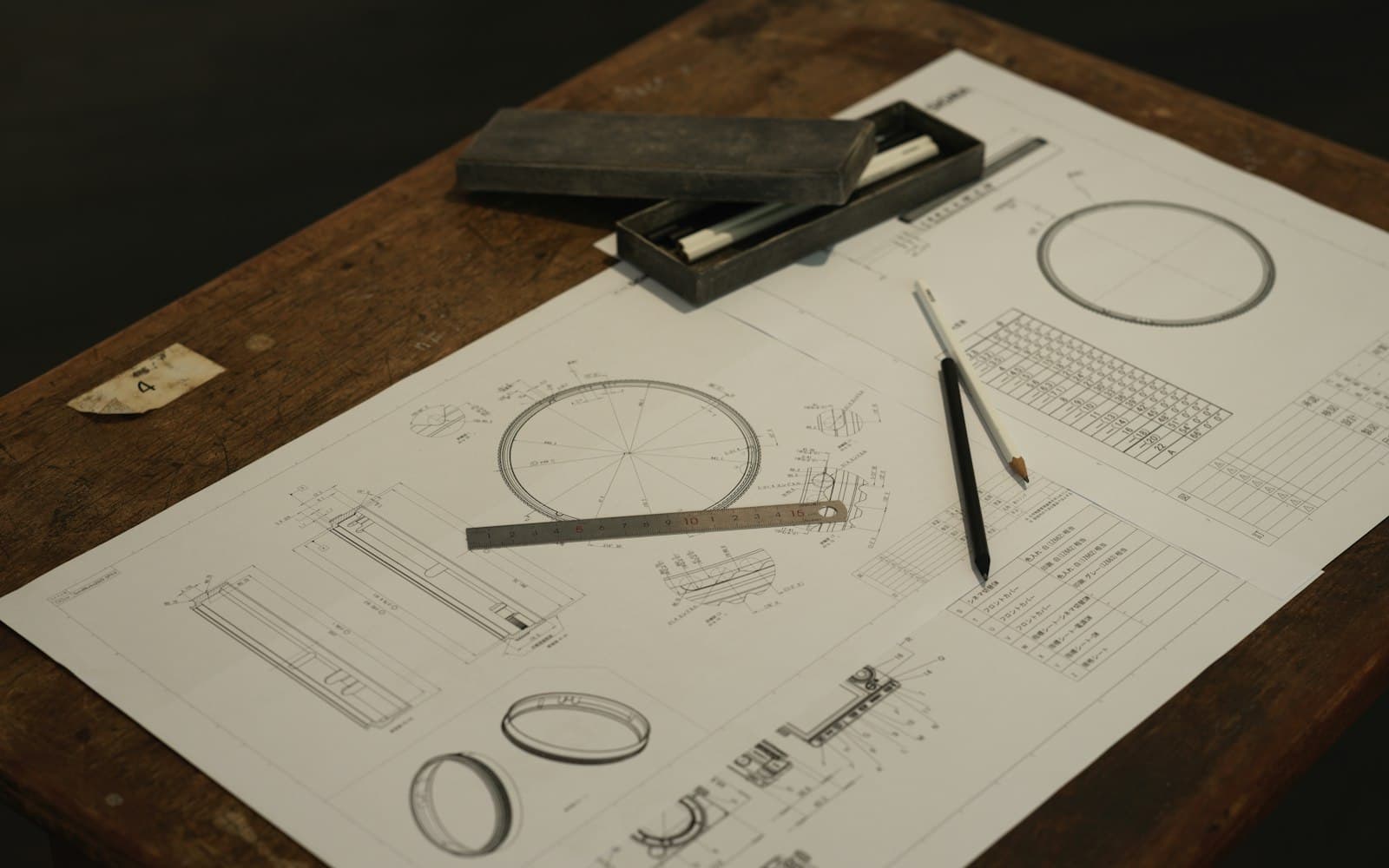
Every identity we have made in the last six years started with the same day. Eight people in a room, one long table, a lot of paper and a rule that nobody opens a laptop before lunch. We call it the brand workshop, and it is the cheapest insurance a branding project can buy.
The goal is not to design anything. The goal is to leave the room with a short list of decisions that everyone, from the founder to the newest account manager, will defend when the first designs arrive.
Who should be in the room
We ask for six to eight people. Fewer and you miss the views that will surface later as objections. More and the loudest voices take over.
- The person who signs the invoice. If they are not in the room, the day is a rehearsal.
- Someone who talks to customers every week, usually sales or support.
- Someone who joined less than a year ago. They still remember why they chose the company.
- Two people from our side: the creative director who runs the day and the designer who will carry the project.
We do not invite the agency that made the old brand, and we do not invite investors. Both are useful conversations, but on other days.
The morning: what is true
The first half of the day is about facts, not adjectives. We start with an exercise we call the obituary: each person writes, in ten minutes, what a trade magazine would say about the company if it closed tomorrow. It sounds morbid. It is the fastest way we know to find out what people believe the company is actually for.
We read them aloud and pin them to the wall. The overlaps are almost always smaller and more specific than the current tagline.
Three questions we always ask
- What do customers thank you for that is not on your website?
- Which competitor would you be embarrassed to be confused with, and why?
- What will you refuse to do, even if a large client asks?
The third question takes the longest. A brand is as much a list of refusals as a list of promises, and the refusals are what make the promises believable.
"We thought we were selling speed. By eleven o'clock it was clear our clients stay because we tell them when not to build something."
That line came from a product studio we worked with last spring. It became the backbone of their new identity, and none of us would have written it on our own.
The afternoon: what it should feel like
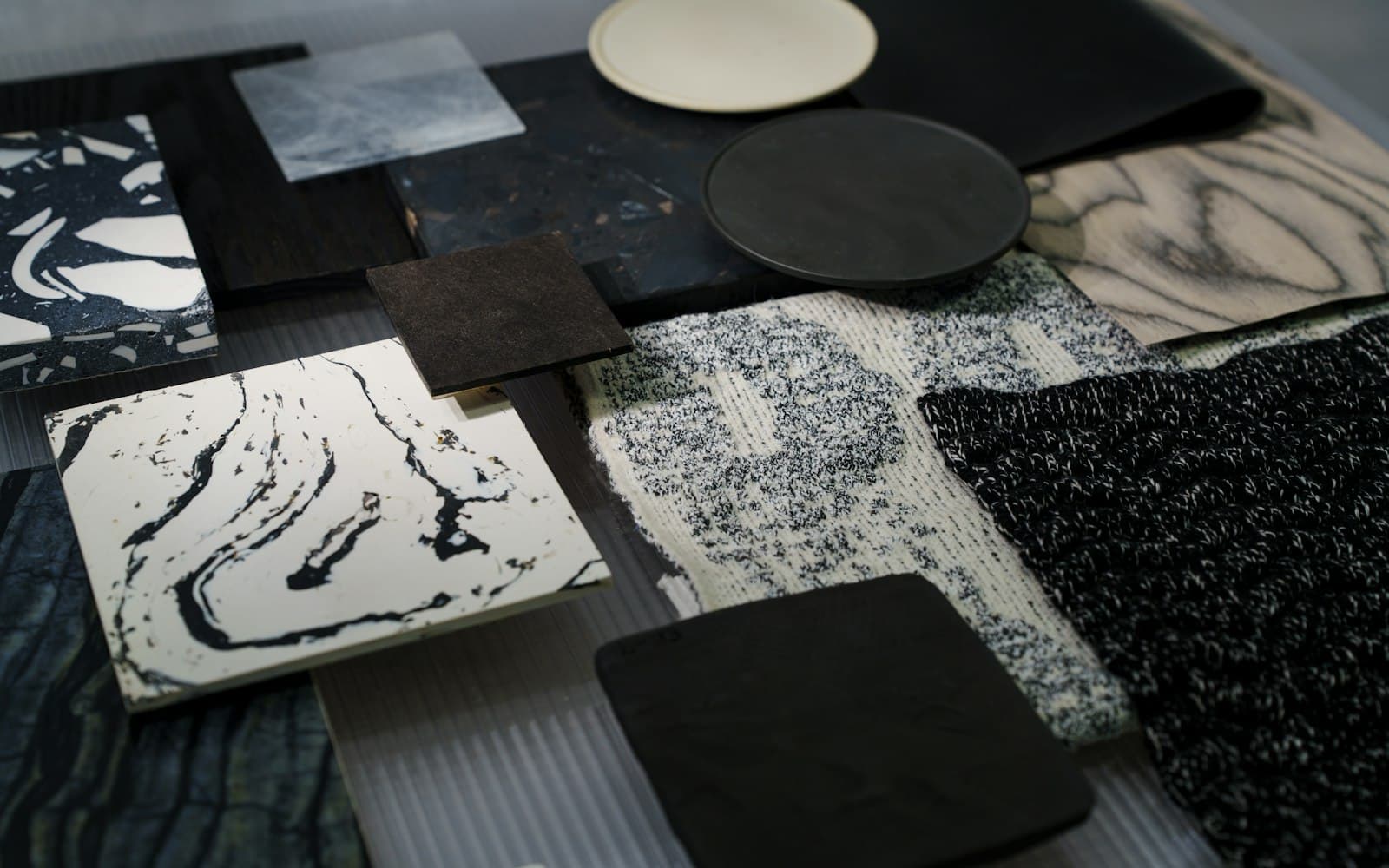
After lunch we move from words to pictures, but never to logos. We bring a box of around two hundred printed images: architecture, packaging, film stills, typography, objects. Each person picks five that feel like the company should feel, and five that feel wrong.
The wrong pile is more useful than the right one. People struggle to say what they want, but they are quick and precise about what they dislike. A cluster of rejected images with glossy gradients tells the designer more than any brief that says "modern but warm".
What we stopped doing
We used to run a session where everyone voted on brand values. It produced the same five words every time: honest, bold, human, simple, innovative. We dropped it. Values that every company shares do not help anyone choose between two typefaces.
We also stopped presenting moodboards at the end of the day. A moodboard shown too early becomes the design, and the project loses its chance to surprise.
What we send the next morning
Within twenty-four hours, the client receives a two-page summary. Not a deck, not a strategy document: two pages they can print and stick on a wall.
- One sentence on what the company does and for whom, in words a customer would use.
- Three things the brand must make people feel, each with one image from the workshop.
- Three things it must never look like, with the images people rejected.
- The open questions we could not settle, and who owns each one.
The summary is signed off before any design work starts. When we present the first routes two weeks later, every decision can be traced back to a sentence or an image that the client chose themselves. Feedback stops being about taste and starts being about whether the work does what we agreed it should do.
Why one day is enough
Longer discovery phases have their place, especially for large organisations with many audiences. For most of the founders and teams we work with, one well-run day does more than three weeks of interviews, because the people who decide are in the same room, at the same time, looking at the same wall.
It is also the day clients remember. Months after launch, they rarely mention the logo first. They mention the obituaries.