Photography
Shooting a lookbook on location
A location shoot gives a collection a place to live, and it gives a crew a dozen ways to lose the light. How we plan, scout and run a two-day lookbook away from the studio.
- Written by
 Maya SatoHead of Motion
- Published
- Reading time
- 3 min read
A studio is a controlled room. A location is a negotiation with the weather, the neighbours, the sun and the clock. We still choose locations for most of the lookbooks we shoot, because a collection photographed in a real place starts to tell a story that seamless paper cannot.
This is how we plan a two-day location shoot, from the first call with the designer to the last frame we deliver.
Start with the collection, not the location
The most common mistake is falling in love with a place before understanding the clothes. A brutalist car park looks incredible on a moodboard and can flatten a soft linen collection into nothing.
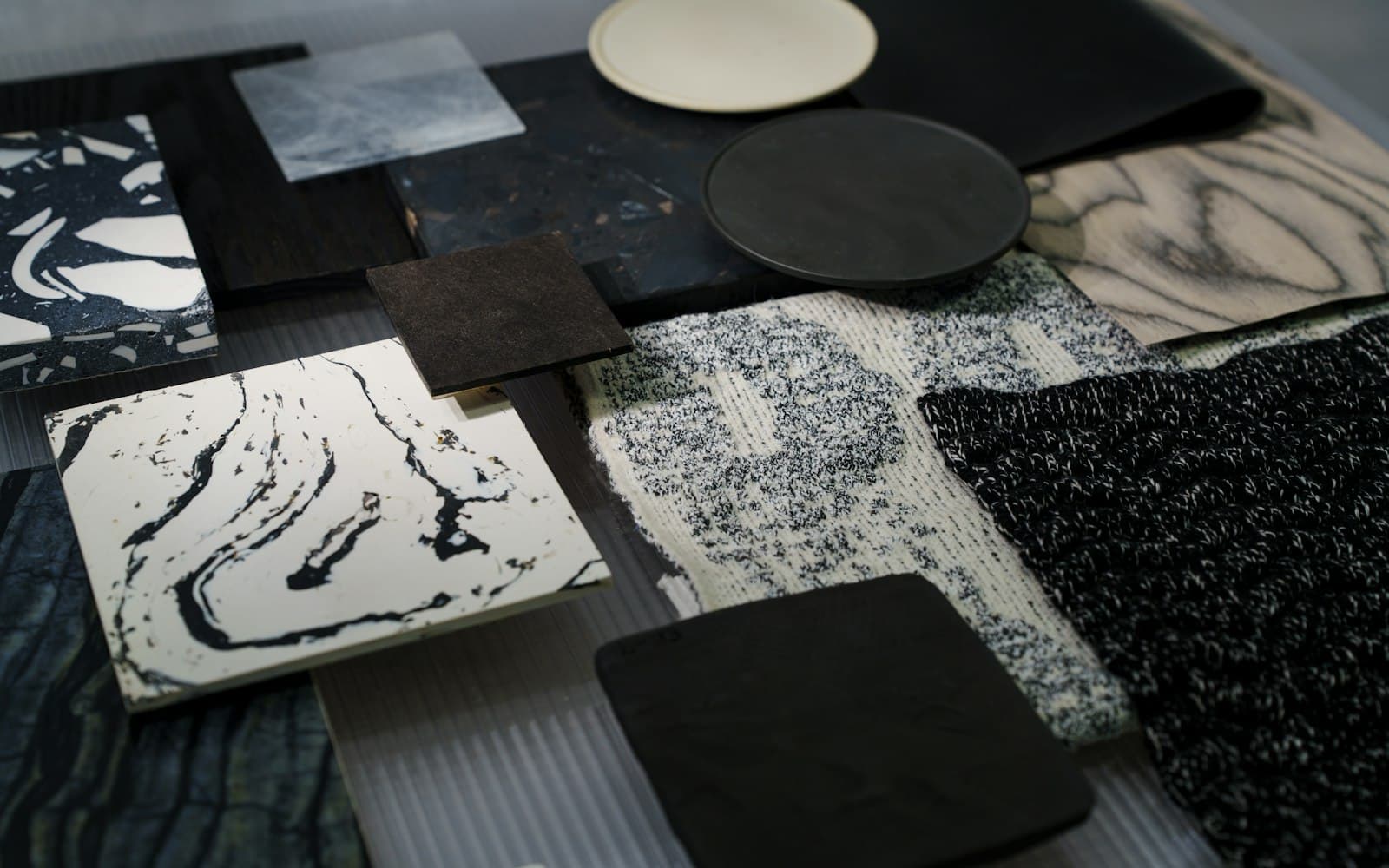
Before we scout anything, we spend an afternoon with the samples. We look at weight, movement, colour and how each piece behaves in wind. Then we write three words for the collection. For a recent linen and wool collection they were quiet, mineral and slow. Every location we considered afterwards had to earn those three words.
Scouting
We visit every location twice: once at the time of day we plan to shoot, and once at the opposite time, to understand how the place changes. We take reference photos with the lens we intend to use, not with a phone, so the framing on the day holds no surprises.
What we check on every scout
- Light direction at our shooting hours, with a compass app and a sun path chart.
- A hidden space for changing within two minutes' walk. Models should never change in a van if it can be avoided.
- Power and toilets. Unglamorous, and the first thing that ends a shoot early.
- Permissions. Who owns the place, who needs to sign, and whether drones, smoke or reflectors are allowed.
- A rain plan. A covered space nearby where the same story still works.
The shot list is a sequence, not a list
We plan the lookbook as a sequence of pages, then work backwards to a shooting order. The first and last images of the book are decided before we leave the studio. Everything in between is planned around light: backlit and soft pieces in the early morning, structured tailoring when the sun is high and the shadows are hard, and the hero looks in the last hour of the day.
We never schedule the most important look for the end of the day. We schedule it for the best light, and protect that hour from everything else.
We keep about a fifth of the day unplanned. Some of the strongest images in our books came from a model waiting between setups, or from a gust of wind nobody asked for.
On the day
A location crew should be small enough to move quickly. Ours is usually seven people: photographer, first assistant, stylist, hair and make-up, producer, model and someone from the brand who can make decisions on the spot.
How we keep the day moving
- A call sheet with exact addresses, parking and the sunrise time on the first line.
- Every look steamed, numbered and bagged in shooting order the night before.
- A tethered laptop in the shade so the brand can approve frames as we go.
- A hard stop for lunch. A hungry crew makes slow decisions.
We shoot a few frames of each look on a plain wall nearby as well. The brand always needs clean product images for the shop, and it costs ten minutes to get them while everything is already steamed and styled.
After the shoot
Within forty-eight hours we send a contact sheet with our selects marked. We edit tightly: for a collection of twenty looks we usually deliver around sixty images, not six hundred. Colour grading is done against the physical samples, under daylight bulbs, so the linen on screen matches the linen in the shop.
The final lookbook is laid out with the same sequence we planned before the scout. When the edit works, it reads like a day in one place, which is exactly what it was.